
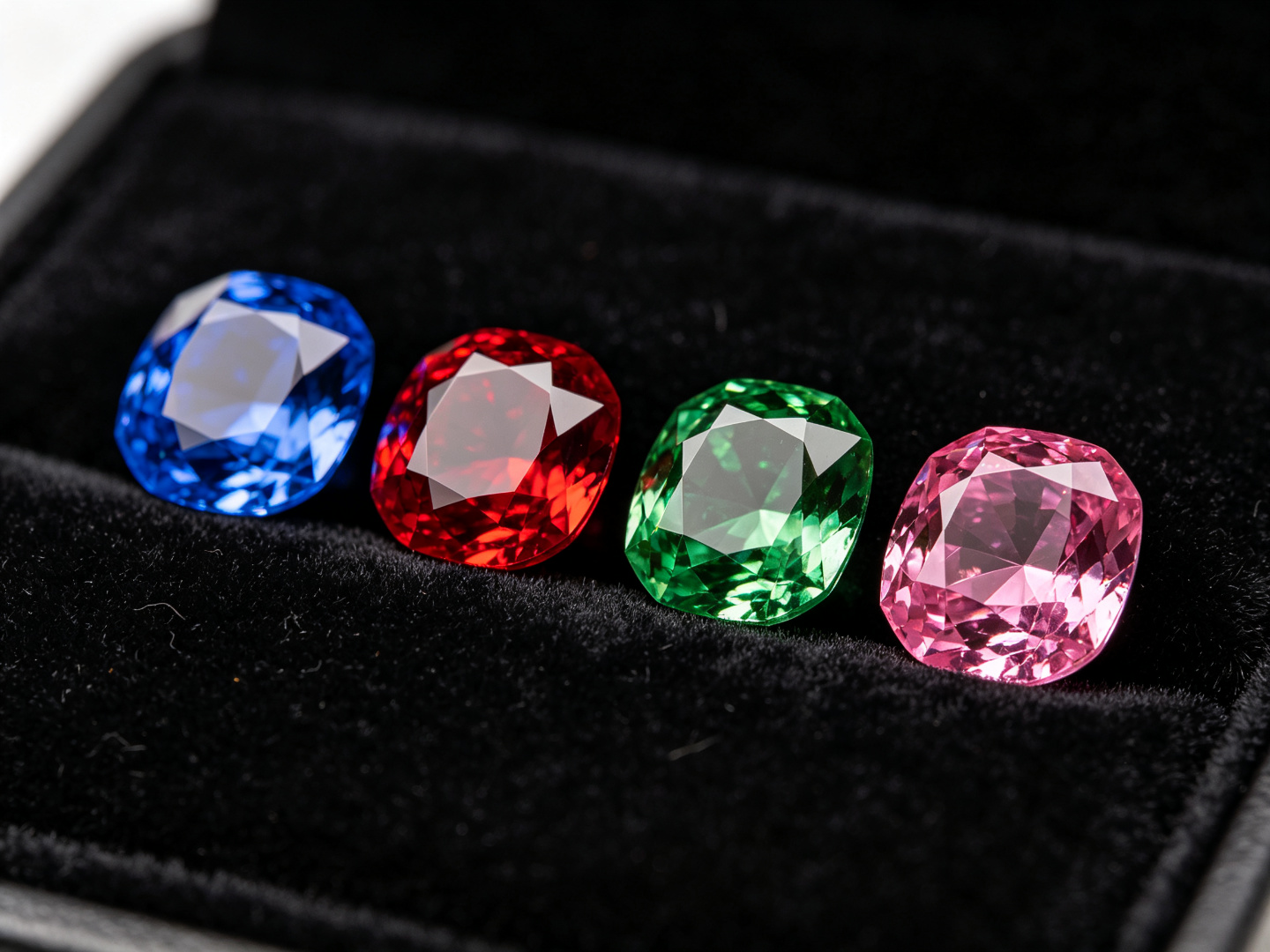
Picture this: a client wants 50 sapphire engagement rings next month. They want a rich blue, no visible differences between stones, and they care that it's ethical. You like the price of lab-grown sapphires, but you don't want a surprise when the batch arrives. Sound familiar?
Why lab-grown gems are worth your time (and what to watch)
Technology has improved a lot. Labs produce cleaner gemstones, steadier colors, and more varieties than a few years ago. That means you can get sapphires, rubies, emeralds and diamonds that look great and ship faster than waiting for a natural find.
But quality and consistency still vary by supplier and growth method. A cheaper lot might save you money up front and cost you returns later. The trick is knowing exactly what to inspect before you commit.
Quick QC checklist before you place an order
Ask for actual photos and videos of the exact Lab-grown gemstones you'll get, not just stock images. Request table-down and table-up shots under natural light.
Request a small sample batch first - 5 to 10 stones for matching. For ring sets, always match in hand before large orders.
Get details on growth method and treatments. Different methods (e.g., flux, flame, hydrothermal, CVD/HPHT for diamonds) affect inclusions and color stability. Ask what was done to reach the color you see.
Ask for grading or test reports from independent labs when relevant. Don't accept vague claims-get the notes.
Inspect setting fit and sizes. Even small diameter differences add up in production. Confirm tolerance limits up front.
What buyers usually get wrong about color
People assume lab-grown gemstones are perfectly uniform. They're not. Color can shift between runs.
If you need matched sets, buy enough for the whole order at once or secure a production lock with the supplier.
Use a physical swatch for exact matching. Photos and Pantone-style notes aren't enough.
If you mix natural and lab-grown in the same line with full disclosure to end buyers, compare them side-by-side under the same light. Customers notice small differences.
MOQ, pricing and negotiation tips
Suppliers vary. Some expect higher MOQs for consistent color runs. Some will cut price for clear, repeat business. Try this:
Start with a trial order at a modest MOQ. If quality meets your standards, negotiate tiered pricing for repeated orders.
If you can commit to a quarterly volume, ask for a production window to reserve color lots.
Consider mixed-size packs to lower per-piece cost if exact matching isn't required.
Shipping, customs and paperwork - keep it simple
Label shipments clearly as lab-grown gemstones. Different countries treat them differently for duties and import rules. A few points:
Declare material honestly on documents. It speeds customs and avoids fines.
Insure the shipment for full value and pick a carrier experienced with gems.
Keep chain-of-custody notes and supplier invoices handy for buyers who ask about traceability.
How to sell lab-grown gems to your customers
Most end customers care about ethics and price. Use that. But be honest and practical:
Lead with benefits that matter to buyers: consistent color, lower price, and verifiable traceability.
Tell customers what you tested. A quick note like "independently tested, lab-grown sapphire, consistent color lot" builds trust.
Offer a small discount for pre-orders on matched lots. It helps you finance MOQs and keeps repeat buyers happy.
Common red flags from suppliers
No photos of the actual stones you'll receive.
Refusal to provide test info or independent reports.
Wildly variable sizing or color between pre-production samples and final delivery.
Unclear return or warranty terms.
Fast checklist before you click order
Sample stones in hand? ✅
Color swatch match? ✅
Written MOQ, price tiers and lead times? ✅
Shipping, insurance and customs plan? ✅
Clear return policy and testing paperwork? ✅
Lab-grown gems can be a real advantage if you treat them like any other supply line: test early, lock color when needed, and document everything. Do that and you'll cut surprises, satisfy customers, and keep your margins healthy.
If you want, bring a specific order and I'll walk through what to ask the supplier before you pay a deposit.