
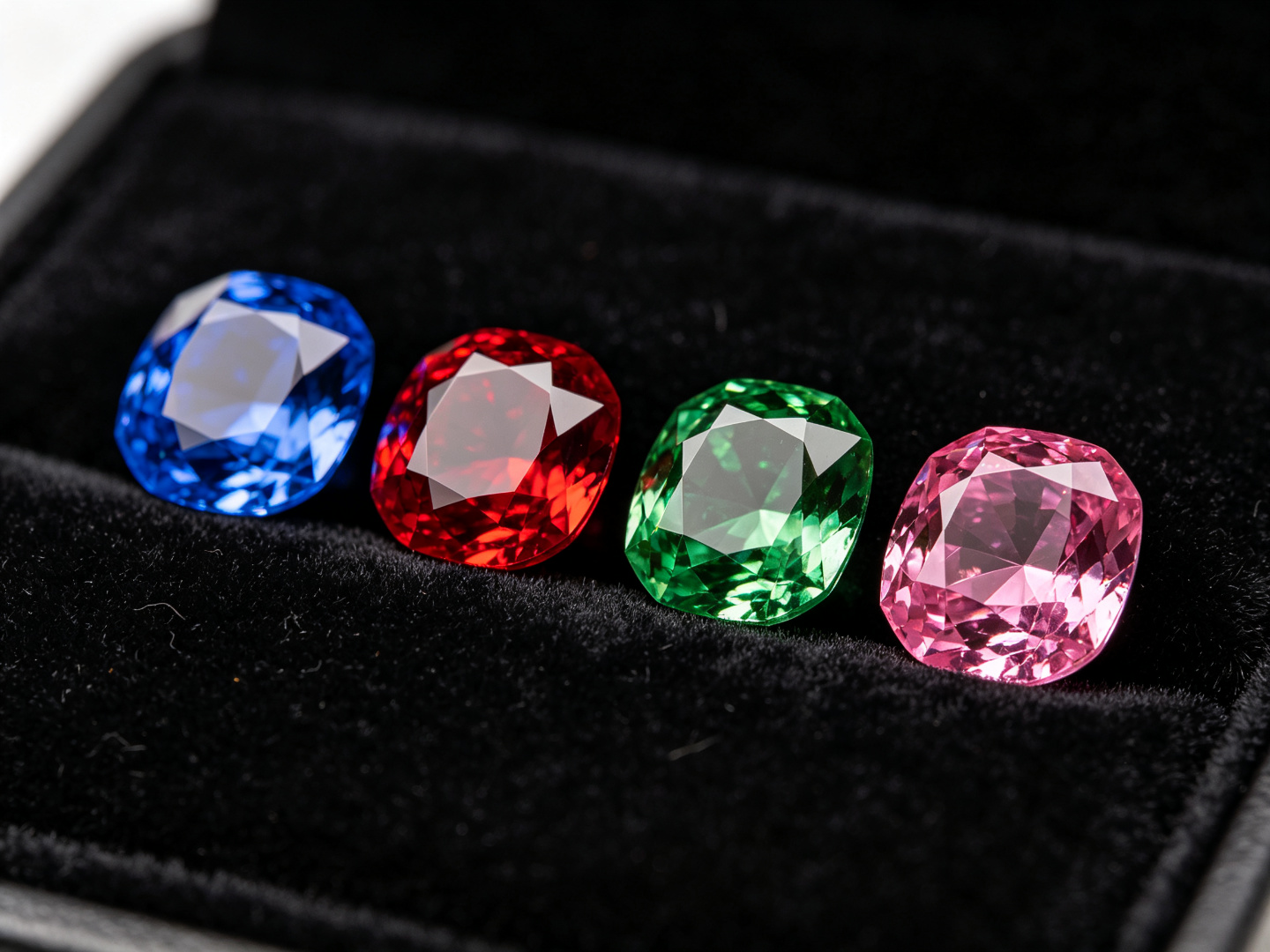
You've got a ring collection to fill and a production schedule that can't slip. The last thing you want is a batch of gemstones that chips, doesn't match, or sits in stock. I'll walk you through the practical choices buyers make when they order gemstones in bulk for rings.
Why choosing the right gemstones matters for bulk ring orders?
Cheap mistakes cost you time and money. Mismatched color forces rework. Soft stones scratch easily.,they're not ideal for ring settings. You may end up with unhappy customers and returns. Slow suppliers hold up production. When you order in bulk, small differences multiply.
Key factors: durability, color consistency and market demand
Mohs hardness: protect your rings from wear
The Mohs hardness scale runs from 1 to 10 and measures scratch resistance. It's a simple, useful guideline for rings.
Diamond (lab-grown or natural): Mohs 10. Best for engagement and everyday rings.
Ruby & sapphire (corundum): Mohs 9. Excellent for daily wear and colored stone engagement rings.
Pink tourmaline: Mohs 7-7.5. Fine for rings, but needs protective settings and careful handling.
Rule of thumb: stones with Mohs 7 or above are generally OK for rings. For engagement rings and heavy daily wear, aim for 8 or higher when possible.
Color and size consistency: the foundation of bulk orders
Buyers want repeats that match. Ask for calibrated sizes and matched color groups. Get a master sample and batch photos under consistent lighting before production. Make sure you get measured dimensions and a weight sheet for every lot.
For color matching, ask suppliers to group stones into A/B/C lots or by Pantone-like guides. If you need near-identical stones across dozens of rings, insist on calibrated stones and a pre-production sample set.
Track trends and customer demand
Lab-grown diamonds keep growing in demand for cost-sensitive engagement buyers. Lab-grown rubies and sapphires are gaining ground where color consistency matters. Pink tourmaline sells well for fashion and seasonal lines, but it's not as durable as corundum.
Recommended gemstones: lab-grown diamonds, rubies and sapphires
These three cover most commercial needs for bulk ring orders.
Lab-grown diamonds: Hardness 10. Very durable. Good for engagement rings and high-wear pieces. They offer stable supply and often lower price than mined diamonds. Ask for a report from a reputable lab and batch photos. (See our lab-grown diamond wholesale page for sizes and calibrated options.)
Rubies (lab-grown) and sapphires (lab-grown): Hardness 9. Great color and excellent durability. They're easier to color-match in bulk than most natural stones. Calibrated corundum is a favorite for rings that need bright, consistent color.(See our lab-grown rubies and sapphires wholesale page)
Calibrated colored gemstones: If you want uniform sizes, buy calibrated goods. They save setting time and reduce rejects.
Popular but proceed with caution: pink tourmaline
Pink tourmaline looks great and is often more affordable. But it's softer than corundum.
Mohs hardness 7-7.5. That's fine for many rings, but avoid exposed bezel-less solitaires for daily wear.
Watch for color zoning and inclusions. Ask for magnified photos and a batch sample.
Recommend protective settings-bezel or halo-to extend lifespan in everyday pieces.
How to choose your wholesale gemstone supplier
MOQ and lead times: Know your floor. Ask how many matched stones per color group they guarantee and their lead time for replacements.
Quality control: Request a pre-production sample lot. Inspect under the lighting your customers see most (daylight and LED).
Color matching process: Ask how they group and grade color. Do they use calibrated sizes? Do they offer master stones?
Lab reports and documentation: For lab-grown diamonds get a reliable lab report. For colored stones ask for origin and treatment disclosure.
Packing and shipping: Check how stones are packed, insured, and tracked. For large orders, staggered shipments can keep production flowing.
Samples vs production: Approve a pre-production sample and count on a small initial run to validate color and fit before full volume.
Quick comparison for bulk ring orders
Lab-grown diamonds - Mohs 10; color consistency: very good when ordered in batches; recommended use: engagement and daily-wear rings; cost: high but below mined diamonds.
Ruby (lab-grown) - Mohs 9; color consistency: good to very good; recommended use: everyday colored-stone rings and engagement options; cost: medium-high depending on color.
Sapphire (lab-grown) - Mohs 9; color consistency: good to very good; recommended use: daily-wear rings and statement pieces; cost: medium.
Pink tourmaline - Mohs 7-7.5; color consistency: moderate (watch for zoning); recommended use: fashion rings or protected settings; cost: low to medium.
FAQ
Q: Which gemstones are the most durable for bulk ring orders?
A: Diamonds (Mohs 10) and corundum-rubies and sapphires (Mohs 9)-are the most durable. Aim for 8+ Mohs for heavy daily wear. Stones rated 7-7.5 are usable but need protective settings.
Q: What's the difference between lab-grown gemstones and natural ones for bulk orders?
A: Lab-grown gemstones have the same chemical and physical properties as natural stones but usually offer better consistency and supply at lower cost. Lab-grown goods make color matching and large-volume runs easier. Natural stones vary more and usually need tighter selection and QA.
Q: How can I ensure color and size consistency in wholesale stones?
A: Require calibrated stones or matched color lots. Get a master sample and batch photos in consistent lighting. Ask for measured dimensions and a weight chart. Approve a small pilot run before committing to full volume.
Q: Is pink tourmaline suitable for everyday rings?
A: Pink tourmaline (Mohs 7-7.5) can work for everyday rings if set thoughtfully. Use protective settings like bezels or halos and avoid exposed solitaire styles for heavy wear customers.
Author
Linda Li - As a gemstone exporter,I keep learning and exploring wholesale gemstone scouring. I work directly with cutters and manufacturers on calibrated stones, lab-grown diamonds, and volume QC. If you want practical help choosing batch specs or sample checklists, I've got templates and supplier questions you can reuse.
Key facts (easy to extract):
Mohs hardness: diamond 10; ruby and sapphire 9; pink tourmaline 7-7.5.
Stones with Mohs 7 or higher are generally suitable for rings; stones with Mohs 8+ are recommended for engagement rings or heavy daily wear.
Calibrated gemstones save setting time and improve batch matching.
Lab-grown gemstones offer consistent color and supply, often at lower cost than mined stones.