I found a new opportunity about smart jewelry from what I've studied for B2B
I've been researching smart jewelry recently, a former programmer. Modern consumers like innovative wearable concepts . I have been thinking about whether we can product some smart jewelry and Is it a new opportunity for lab-grown gemstones ?
I find some smart rings on media platform. I will introduce one of them for everyone.
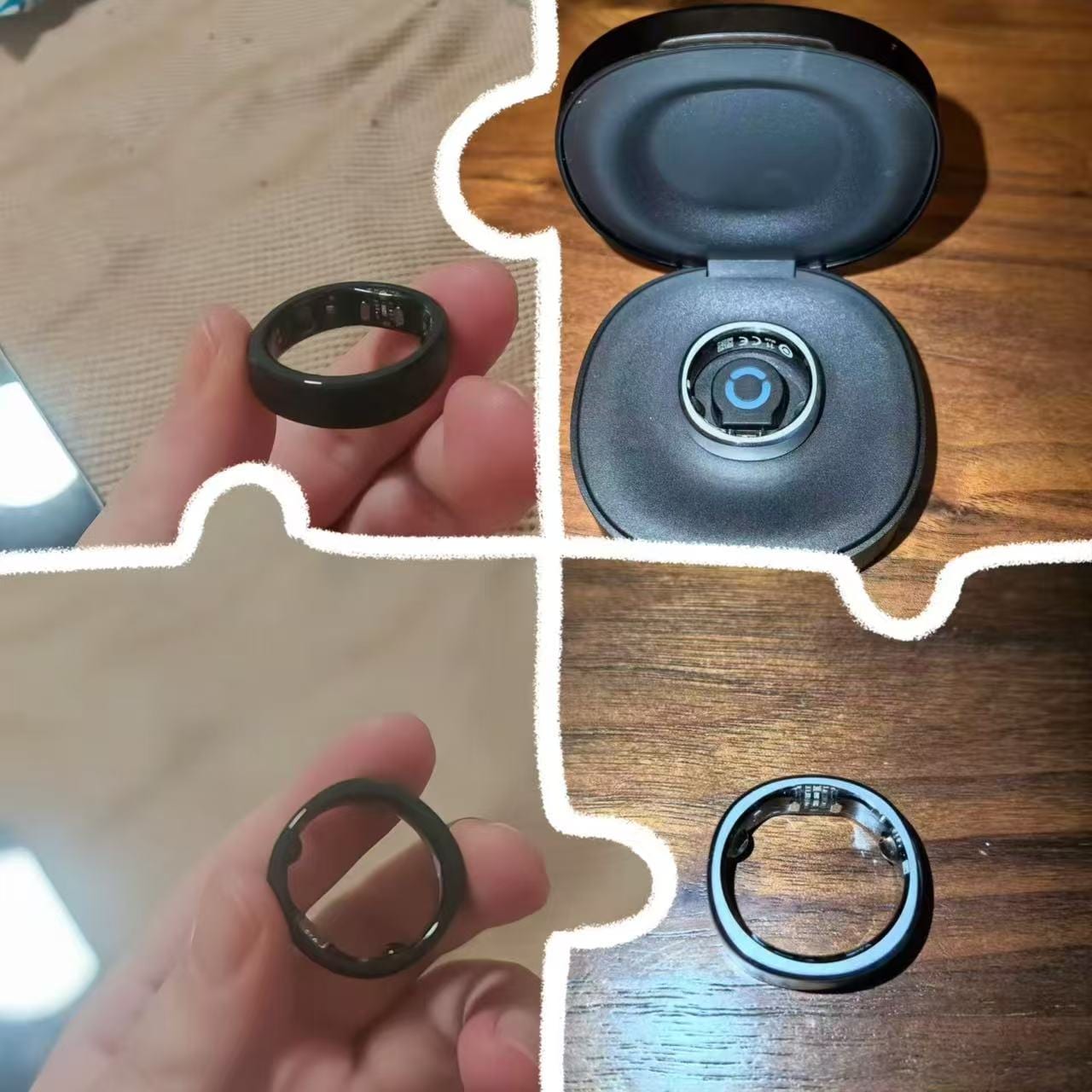
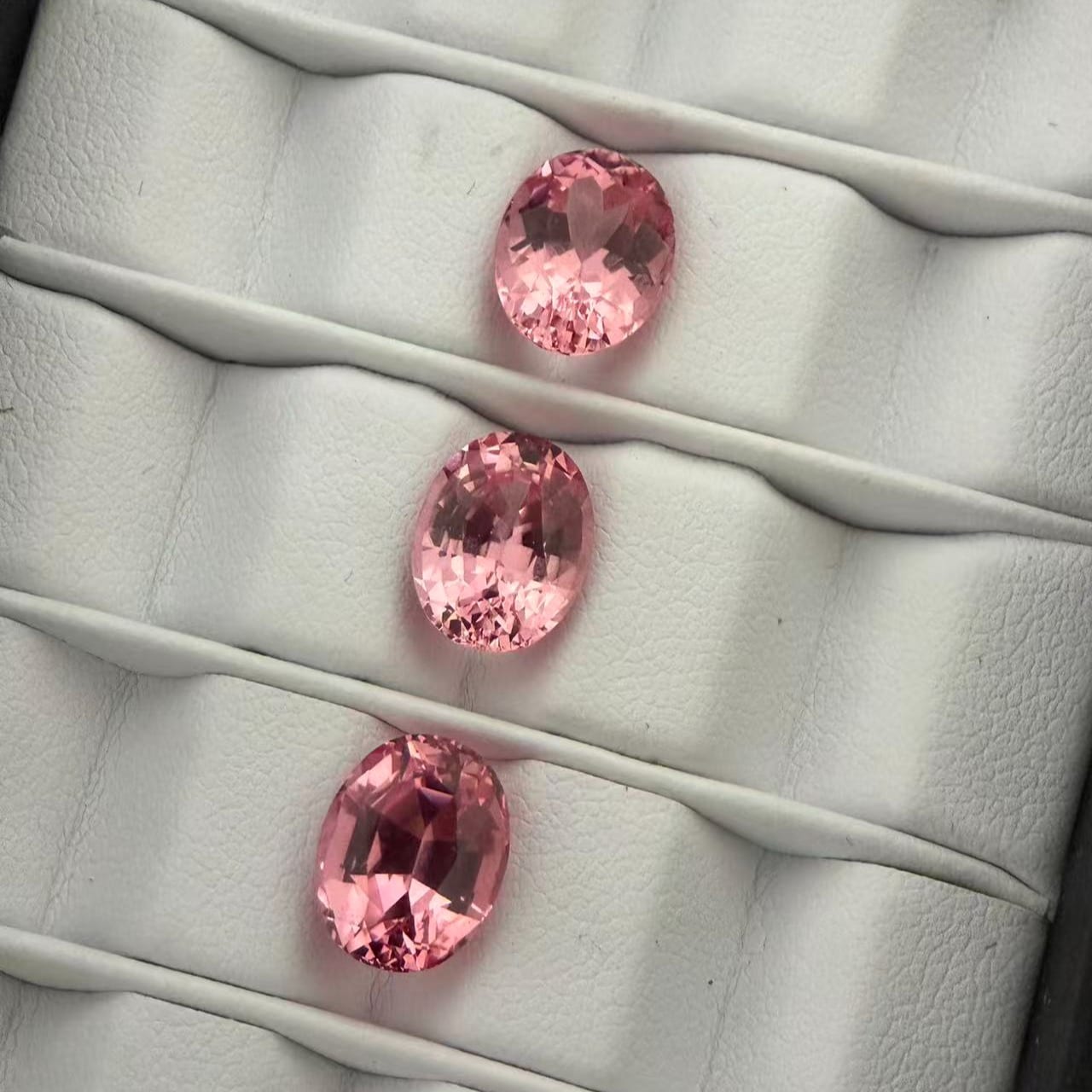
You can see the top picture . Form the picture , we can see smart jewelry splits duties. The electronics - sensors, batteries, haptics - tend to live in the metal or polymer body, often on the underside. If we put our gemstone sits on top as a visual and tech feature. It will keep the tech accessible for repair and testing while letting the stone give the product that jewelry feel.
Why lab-grown gemstones are the right choice for samrt jewelry?
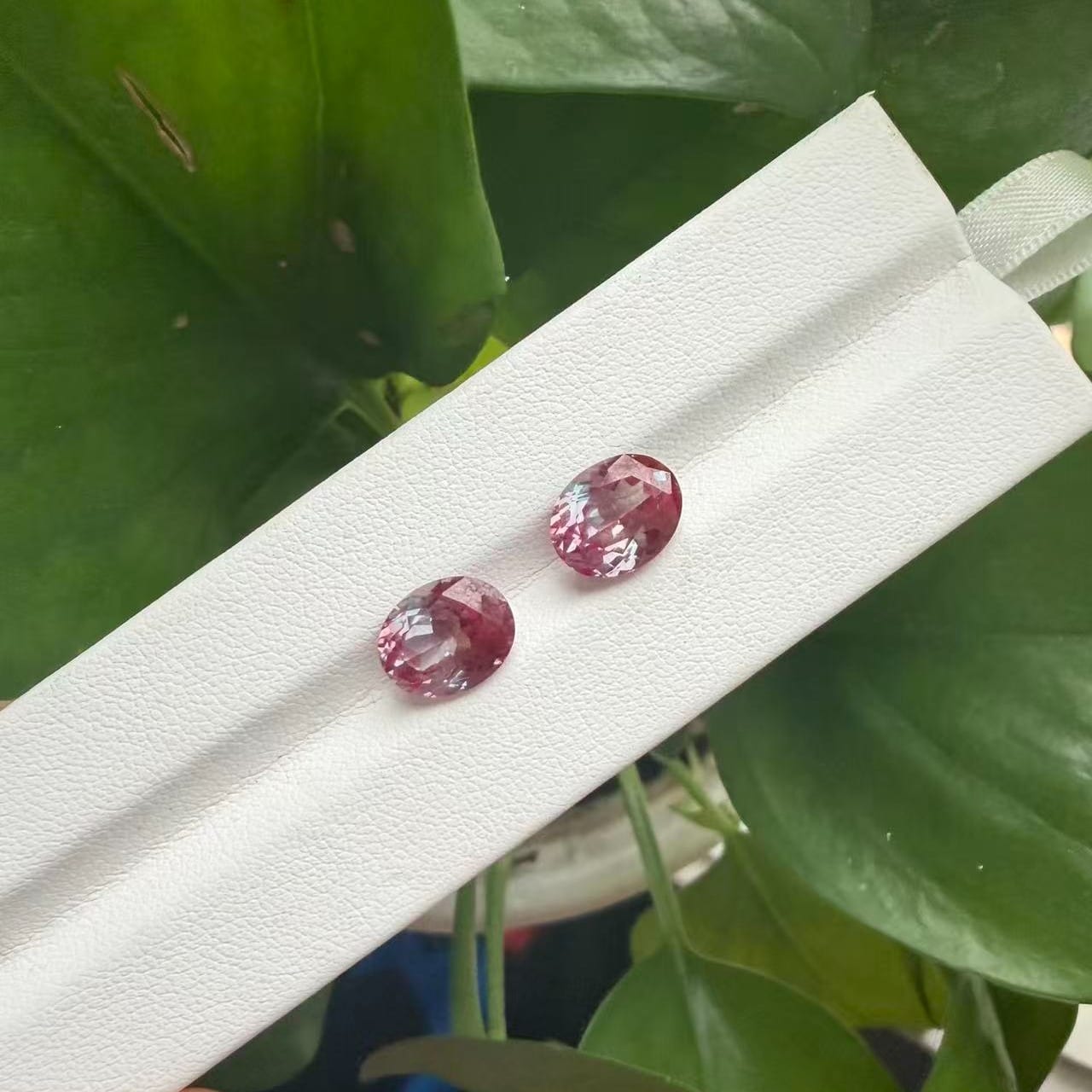
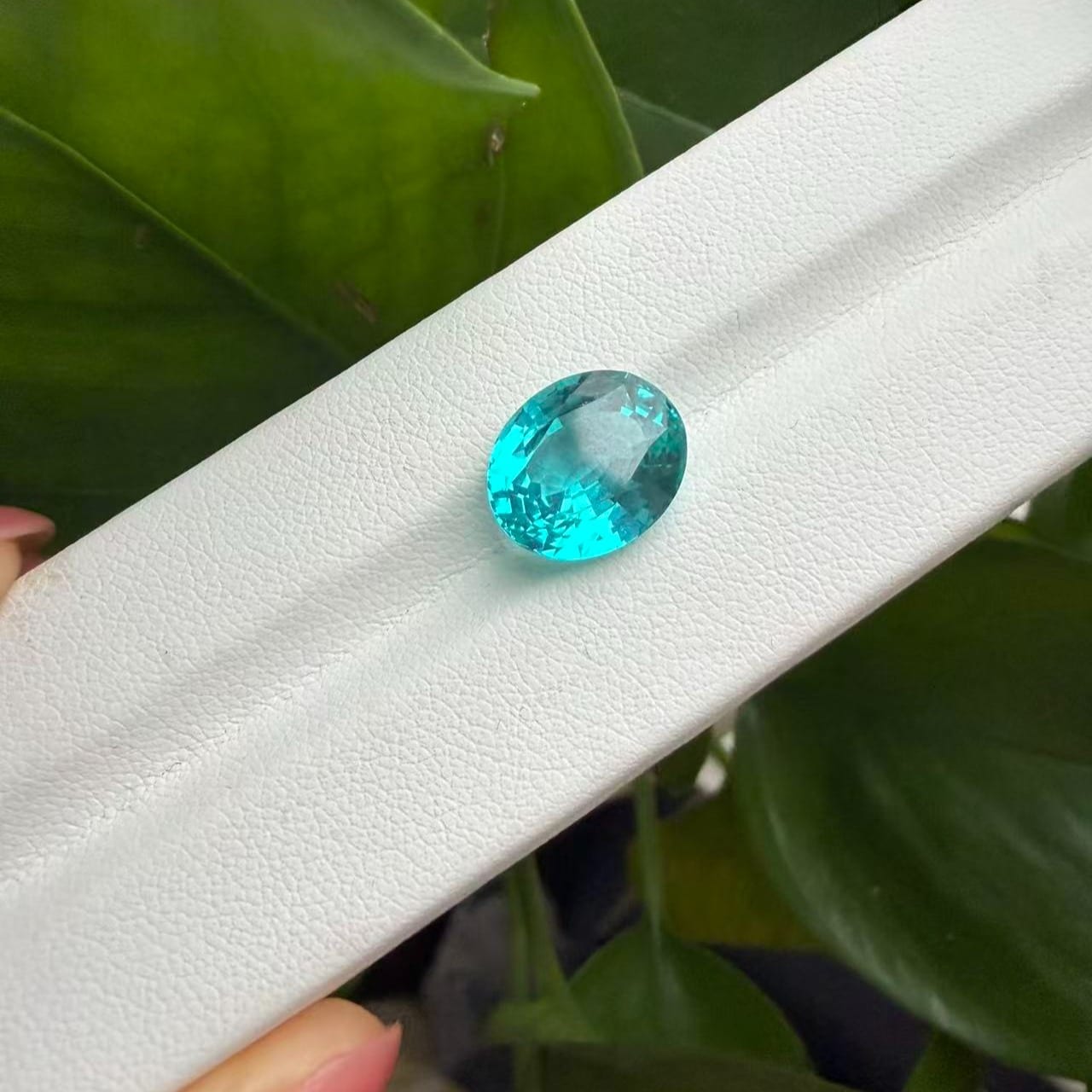
consisency supplier: Lab-grown gemstones have stable supplier and can provide repeatable color and size batches,which helps us when we need a big bulk order.
predictable price: The Lab grown gemstones have lower price than natural gemstones,which helps planning for product margins.
Material properties: Many lab-grown gemstone share the same physical attributes as their natural counterparts (hardness, refractive index, electrical insulation), so they behave predictably in jewelry settings.
Which gemstone are available for smart jewelry and why ?
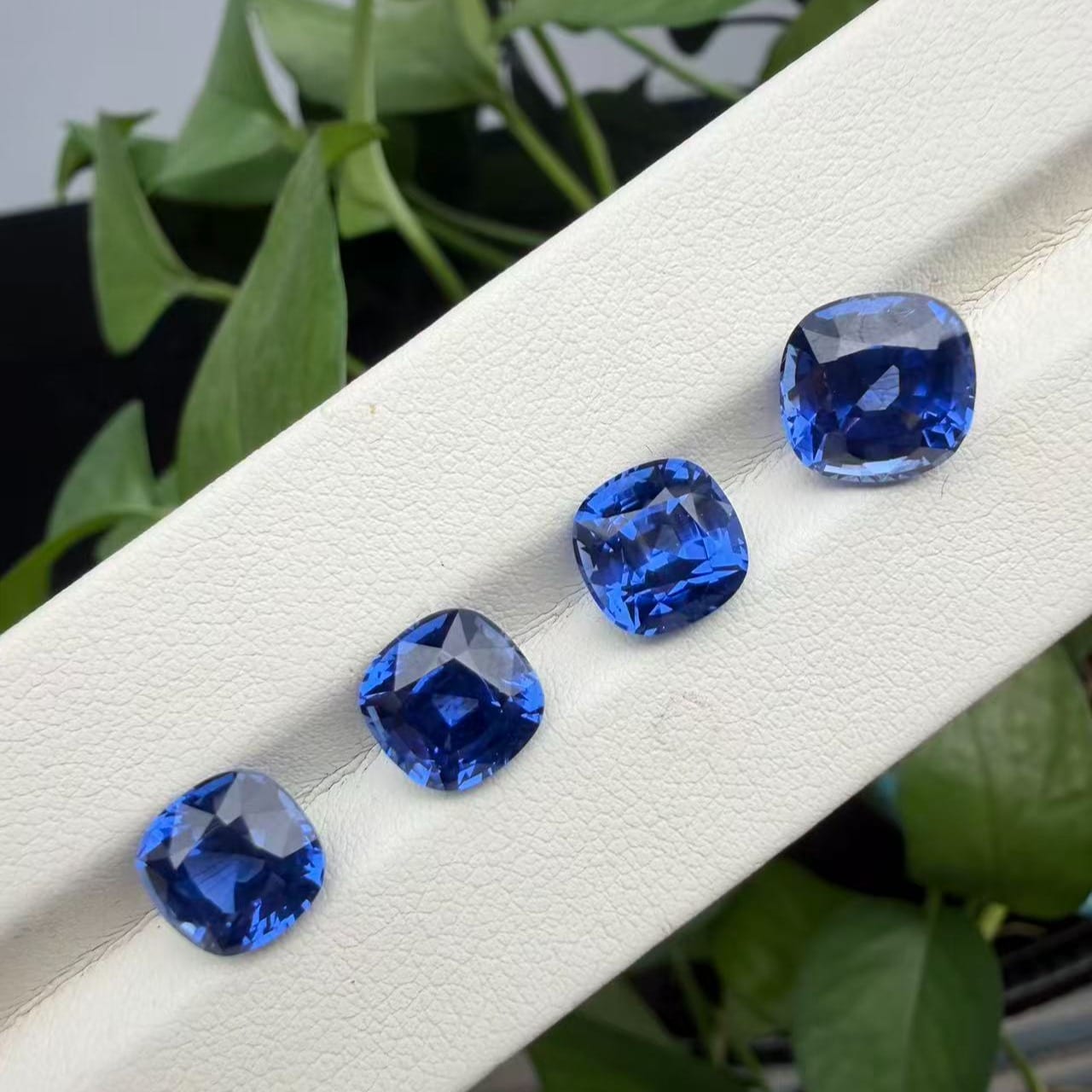
Lab-grown sapphire is an obvious choice. Lab grown Sapphire is hard and durable - no surprise it's used as glass on watches. Its hardness and clarity make it great for surfaces that take wear. For smart pieces that need a scratch-resistant top or a transparent window, sapphire is a very practical choice.
Lab-grown diamond offers the ultimate premium cue. Diamonds are electrically insulating but have very high thermal conductivity, which can be a benefit or something to manage, depending on how heat from electronics is routed. Expect diamonds where luxury positioning is crucial.
Spinel is the sleeper hit. Spinel have a wide range of colors and good hardness. Spinel is easier and often cheaper to produce in uniform batches than some other colored stones, so it's a natural for brands that want colorways without the cost of natural fancy sapphires or spinel's mined cousins.
If I produce some smart jewerly, I might check it based on the rules below.
Optical transmission. If your sensor uses light (heart-rate LEDs, IR), run tests - some stones filter or scatter specific wavelengths more than others.
Electrical and thermal behaviour. Most gemstones are insulators, but thermal conductivity differs. That matters if the electronic module needs cooling or if heat will affect adhesives.
Mounting and tolerances. Smart products lean on tight mechanical tolerances. Prototype with production-grade stones so bezels, glue lines and tolerances are realistic.
Surface treatments and coatings. Anti-reflective coatings, oleophobic finishes or bonding layers can change optical behavior and wear; disclose any treatments early.
Offer calibrated cuts and pre-polished parts tailored to ring or button sizes - engineers love repeatable, ready-to-assemble components.
Include a simple tech sheet: refractive index, hardness, thermal conductivity notes, and any treatments. Keep it plain and usable.
Be ready to supply small engineering sample runs before scaling to full production batches.
Work with adhesives and casing manufacturers early; a lovely stone that can't be bonded reliably is a dead end.
Offer color consistency options: matched lots for multi-piece products, or graded batches for more artisanal runs.
If you do it as the top rules, I belive you can save lots of times and avoid many potential bugs.