
How Colored Gemstones Are Cut: Understanding Preforming and Faceting
Explore the gemstone cutting process, from initial shaping and preforming to faceting. Learn how cutting details influence the appearance of colored gemstones.
How Colored Gemstones Are Cut: Understanding Preforming and Faceting
When we look at a finished colored gemstone, its color, shape, brilliance, and proportions are often the first things we notice. But behind the finished stone is a cutting process that plays an important role in its final appearance.
During a recent visit to a gemstone cutting workshop, I had the opportunity to observe several stages of the process, including preforming and machine-assisted faceting. These steps offer a closer look at how a gemstone gradually takes shape.
1. Preforming: Shaping the Gemstone
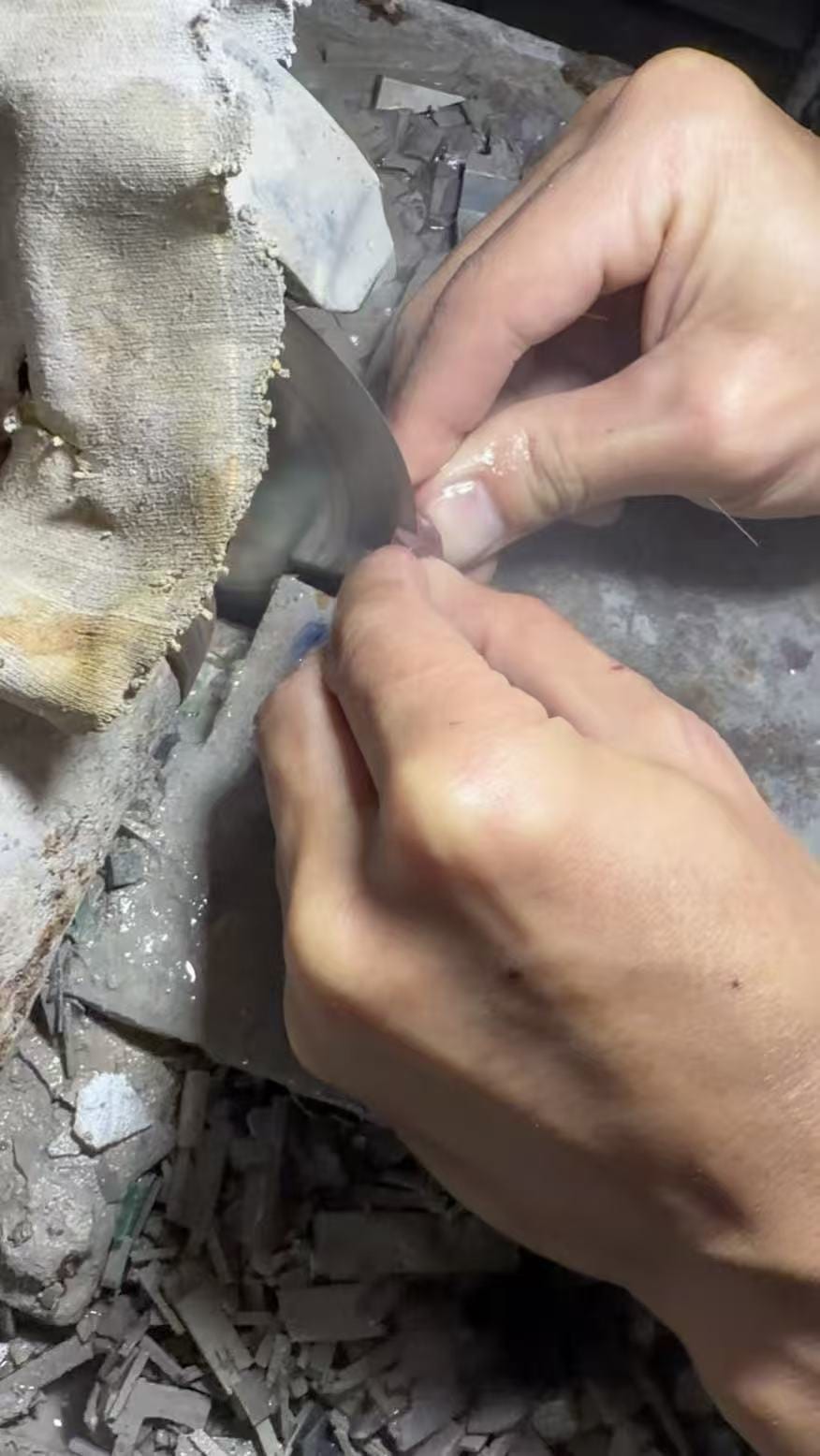
Before individual facets can be created, the gemstone needs to be shaped into its intended outline. This stage is known as preforming.
During preforming, the material is gradually ground and shaped to establish the basic outline of the stone. The goal is to prepare the gemstone for faceting while considering its intended shape and the material available.
The initial outline is an important starting point for the subsequent cutting process.
2. Faceting: Creating the Stone's Surface
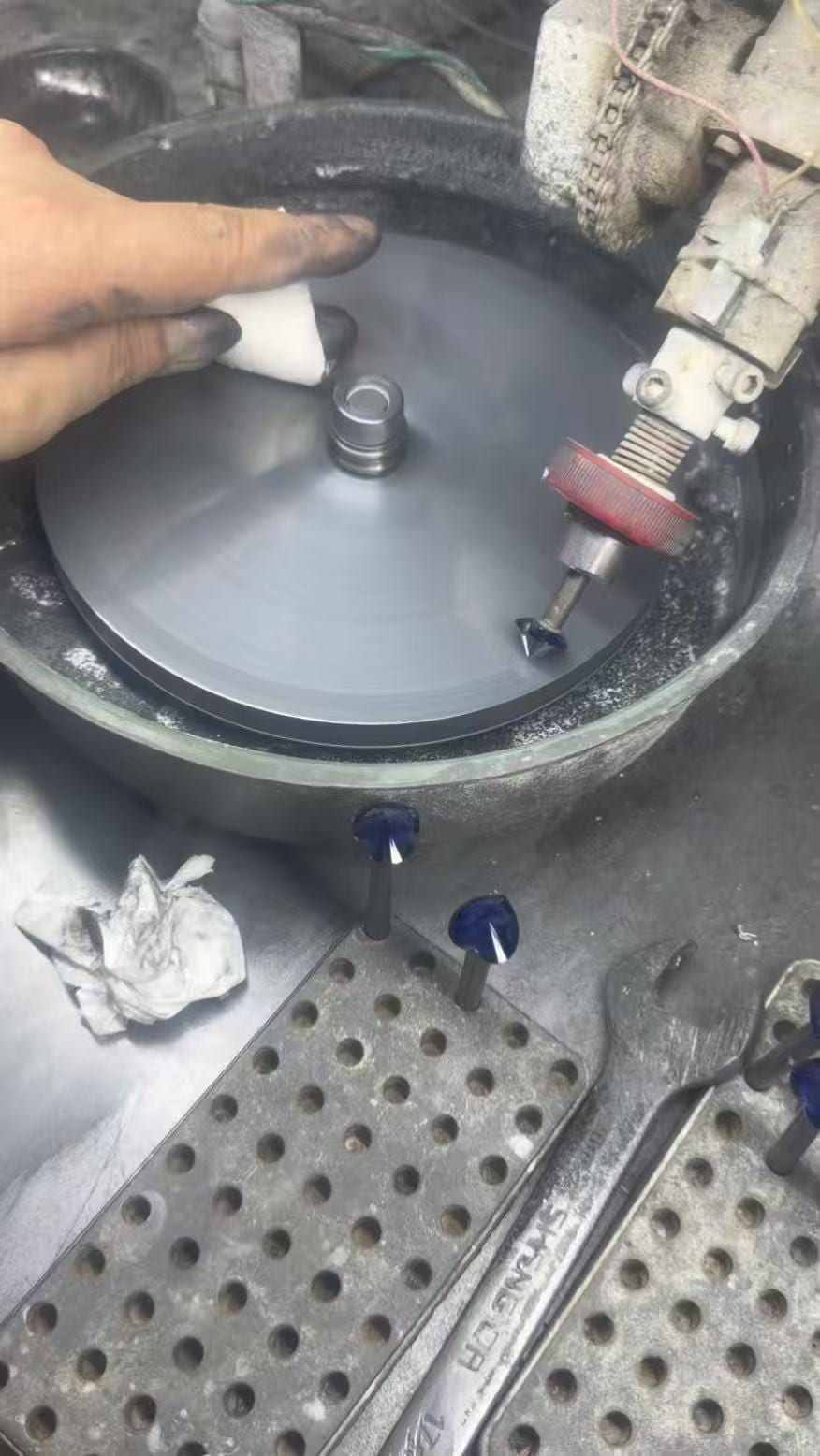
After preforming, the gemstone can move on to faceting.
Using specialized lapidary equipment, a cutter works on the gemstone's surface to create individual facets. Each facet contributes to the stone's overall geometry and influences how light interacts with its surface.
The process requires attention to cutting angles, facet placement, symmetry, and surface finish. Differences in these details can affect the appearance of the finished gemstone.
3. Why Cutting Matters in Colored Gemstones
Color is an important consideration when evaluating a colored gemstone, but it is not the only factor.
The stone's proportions, facet arrangement, symmetry, and polish also contribute to its overall appearance. Two gemstones with similar colors may look different because of variations in their cutting and proportions.
For buyers, understanding these factors can help when comparing gemstones by shape, dimensions, and overall visual appearance.
Looking Beyond the Finished Gemstone
At Raystone Gem, we work with lab-grown colored gemstones and believe that understanding the material and the processes behind each stone is an important part of the trade.
Observing gemstone cutting firsthand is a valuable way to better understand how rough material becomes a faceted gemstone. It also reinforces why details such as shape, dimensions, and cutting quality deserve attention when evaluating stones for jewelry applications.
We will continue sharing practical insights into colored gemstones, their characteristics, and the details behind the stones we work with.
Explore colored gemstones with Raystone Gem:
https://www.raystonegem.com